

The Moon, Earth’s constant celestial companion, has fascinated humans for millennia. From ancient myths to modern scientific exploration, the Moon is both a mystery and a marvel. Although most people know it affects the tides and is the destination of NASA’s historic Apollo missions, there’s much more to our Moon than meets the eye. In this article, we’ll dive into ten surprising facts about the Moon that might just leave you awestruck!
1. The Moon Is Slowly Moving Away from Earth
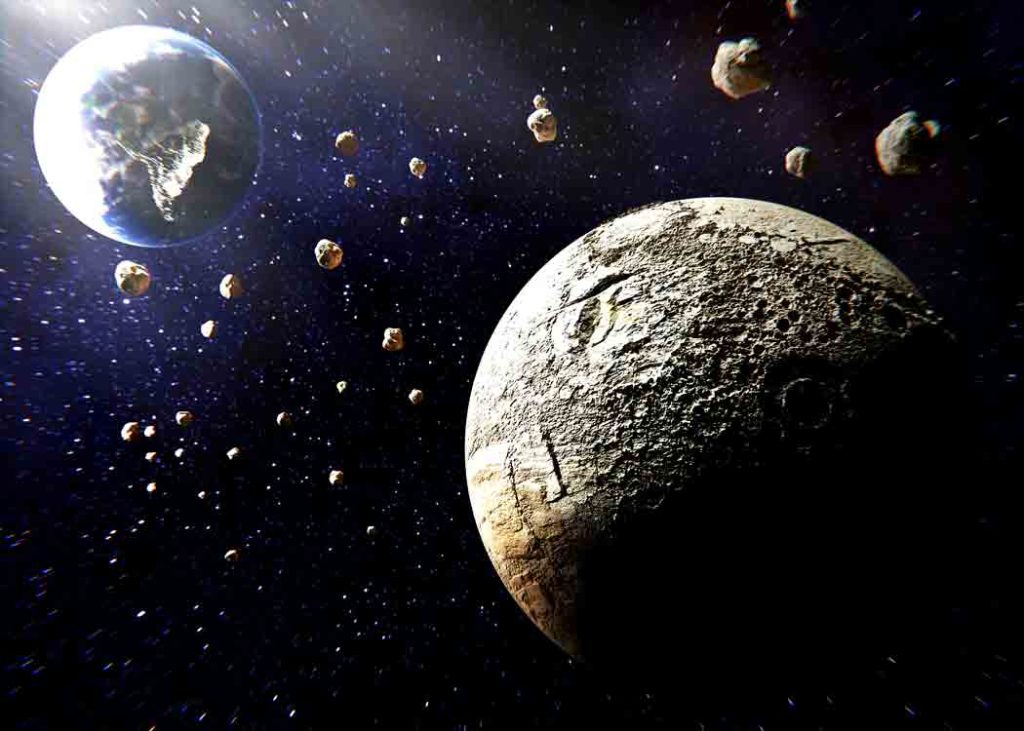
Did you know the Moon is drifting farther from us? Every year, the Moon moves about 1.5 inches (3.8 cm) away from Earth. This process has been happening for over 4 billion years! This gradual drift is caused by tidal forces between Earth and the Moon. These forces transfer energy from Earth’s rotation to the Moon’s orbit, slowly pushing it further away. While this isn’t something we notice in daily life, in millions of years, it could significantly affect things like solar eclipses and the tides. This is a facts about the moon.
2. Moonquakes Are Real

While we often think of Earthquakes as an Earth-exclusive event, the Moon has its own version: Moonquakes! These seismic activities can happen deep beneath the lunar surface. Moonquakes aren’t as intense as Earthquakes, but they can last for up to an hour. Unlike Earth’s quakes, which are driven by plate tectonics, Moonquakes may be caused by the Moon’s core cooling and contracting. NASA’s Apollo missions placed seismometers on the lunar surface, which provided this fascinating insight.
3. The Moon Is Not Completely Round
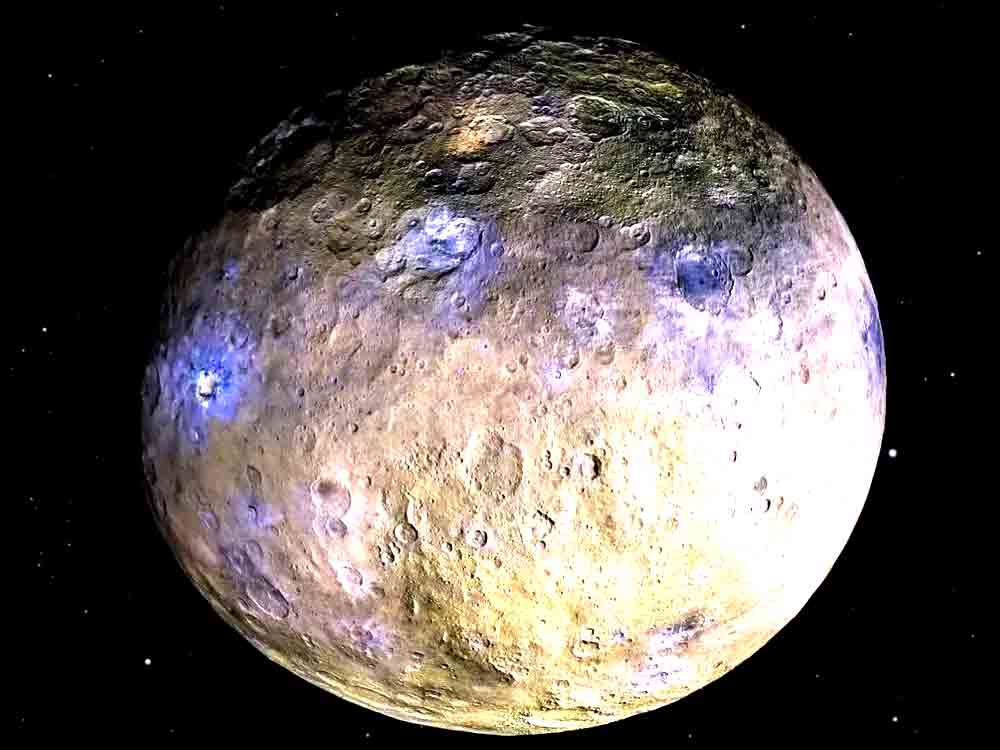
Contrary to what we see in the sky, the Moon is not a perfect sphere. It’s actually slightly egg-shaped, with the larger end pointing toward Earth. This unusual shape is due to gravitational forces between Earth and the Moon. Over time, Earth’s gravity has stretched the Moon into this slight bulge. While the difference is subtle, it’s another example of how celestial bodies are more complex than they appear.
4. The Moon Was Once Part of Earth

One of the most widely accepted theories about the Moon’s origin is called the Giant Impact Hypothesis. According to this theory, around 4.5 billion years ago, a Mars-sized body, called Theia, collided with Earth. This massive impact caused a chunk of Earth to break away and eventually form the Moon. Over time, the debris from this impact coalesced and orbited Earth, creating the Moon we see today. Another facts about the moon.
5. Moon Dust Is Dangerous

The surface of the Moon is covered with fine, sharp dust particles known as lunar regolith. This dust is created by micrometeorite impacts that pulverize the lunar surface. Although it looks harmless, lunar dust can be a significant problem. The dust is so fine that it sticks to everything, and its sharpness can damage spacesuits, equipment, and even human lungs. Astronauts from the Apollo missions reported breathing difficulties and sneezing due to lunar dust that got inside their suits. This is unbelievable facts about the moon..
6. The Moon Has Water

For years, scientists believed the Moon was completely dry. However, recent discoveries have changed that perception. In 2009, NASA’s Lunar Crater Observation and Sensing Satellite (LCROSS) confirmed the presence of water ice in permanently shadowed craters at the Moon’s poles. These icy patches could potentially be used in future lunar missions as a source of drinking water or for converting into rocket fuel. While the Moon’s surface water is scarce, its presence opens up new possibilities for human exploration.
7. There Are Mountains on the Moon

The Moon may not have weather or tectonic plates like Earth, but it does have mountains. Some of the tallest lunar mountains, like Mons Huygens, are comparable to Earth’s peaks. Mons Huygens, the tallest mountain on the Moon, stands at about 15,420 feet (4,700 meters), which is slightly shorter than Mount Everest. These mountains were likely formed billions of years ago due to volcanic activity or massive impacts that reshaped the Moon’s surface.
8. The Moon Doesn’t Have a Dark Side

It’s a common misconception that the Moon has a “dark side.” In reality, all parts of the Moon receive sunlight at different times. What people often mean by the “dark side” is the far side—the hemisphere of the Moon that always faces away from Earth due to tidal locking. Since the Moon rotates at the same rate as it orbits Earth, we only ever see one side from the ground. The far side of the Moon remained a mystery until the Soviet Luna 3 mission captured images of it in 1959. It is wonderful facts about the moon.
9. The Moon Is Responsible for Earth’s Stable Climate

The Moon plays a crucial role in stabilizing Earth’s axial tilt. Without the Moon, Earth’s tilt could wobble dramatically, leading to extreme changes in climate and seasons. This stability has allowed life to evolve and thrive on Earth over billions of years. In fact, some scientists believe that the presence of a large, stabilizing moon is one of the reasons Earth can support such diverse ecosystems.
10. Footprints on the Moon Will Last Millions of Years

Unlike Earth, the Moon has no atmosphere, weather, or water erosion. This means that any mark made on the lunar surface can last for millions of years. The footprints left by Apollo astronauts, the tire tracks from lunar rovers, and even the remnants of their equipment are still there, perfectly preserved. These marks will likely remain until micrometeorites gradually erode them away. So, in a sense, the Moon is like a time capsule of human exploration.
Conclusion
The Moon, while often viewed as a simple gray rock in the night sky, is full of surprises. From its formation billions of years ago to its subtle but significant impact on life on Earth, the Moon remains one of the most fascinating objects in our solar system. These surprising facts not only shed light on the Moon’s complexities but also remind us of the many mysteries still waiting to be discovered.