
Sleeping position affects your health and how you feel each day in many ways. Many people think only about how long they sleep, but the position you choose while resting is just as important. Your sleep position can influence things like your spine, breathing, digestion, and even your skin.
We will look at the most common ways people sleep, how these positions impact your body, and share some simple sleeping tips to help you improve your sleep posture for better health.
Common Sleeping Positions Affect Your Health
There are three primary sleeping positions: back sleeping, side sleeping, and stomach sleeping. Each one affects your body differently and can contribute to how refreshed and pain-free you feel upon waking.
1. Sleeping on Your Back

Back sleeping, also known as the supine position, is often considered the best posture for spinal health. In this position, the head, neck, and spine are aligned, which reduces pressure on these areas and helps prevent discomfort or pain.
Benefits:
Spine Alignment: Sleeping on your back promotes proper spinal alignment, as the body is evenly supported by the mattress. This reduces the likelihood of waking up with back or neck pain.
Minimized Wrinkles: Since your face is not pressed against the pillow, there is less friction, which can reduce the development of sleep wrinkles over time.
Reduces Acid Reflux: Sleeping on your back with your head slightly elevated can help prevent stomach acid from rising into the esophagus, reducing symptoms of acid reflux and heartburn.
Risks:
Increased Snoring and Sleep Apnea: Back sleeping is known to worsen snoring and obstructive sleep apnea because the tongue and soft tissues in the throat can collapse backward, partially blocking the airway.
Lower Back Pain: Some people experience lower back pain in this position, especially if their mattress does not provide adequate support for the lumbar region.
2. Sleeping on Your Side
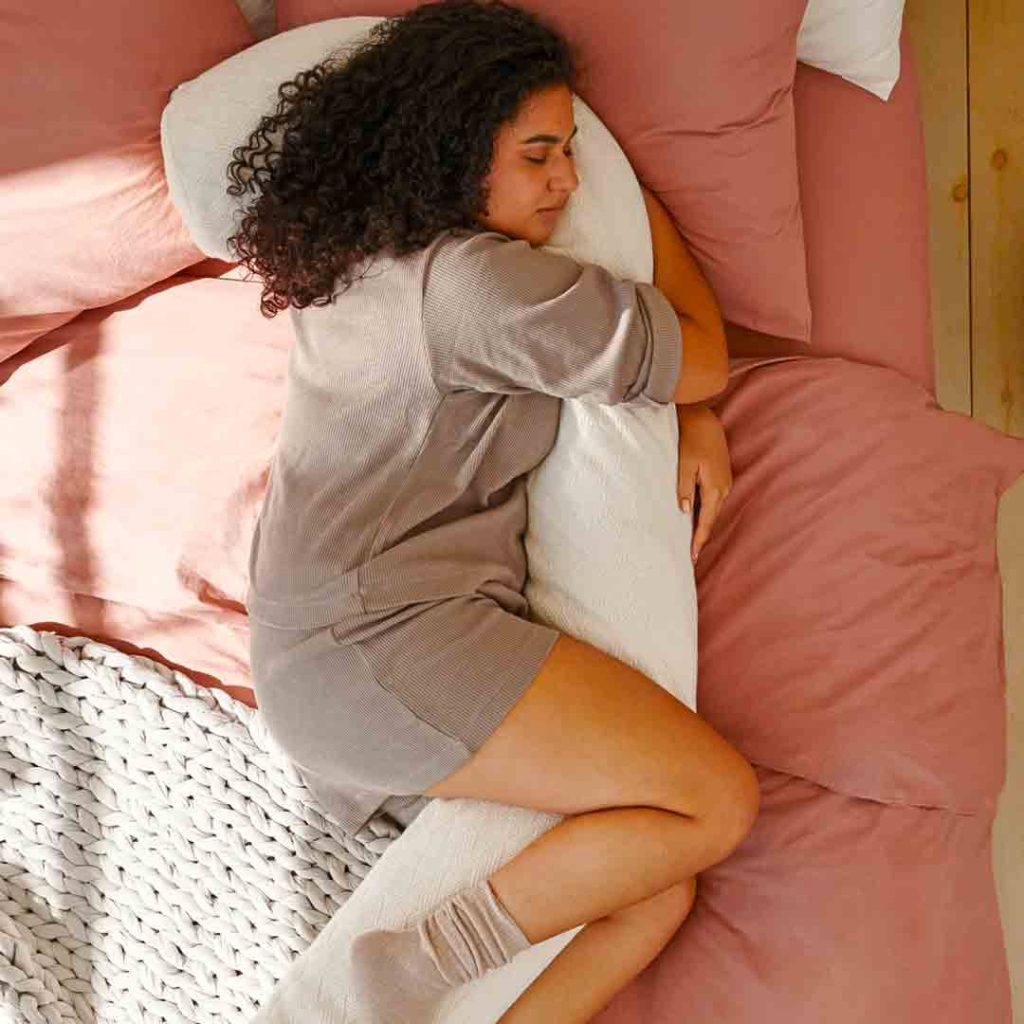
The most common position for sleeping is on your side, which provides a number of health benefits. There are two variations of side sleeping: sleeping with the legs slightly bent in the fetal position or with the legs stretched out.
Benefits:
Reduces Snoring: Sleeping on your side helps to keep your airways open, reducing the risk of snoring and sleep apnea. In this position, people with breathing difficulties often sleep more comfortably.
Supports Digestion: Sleeping on the left side is particularly beneficial for digestion, as it allows gravity to aid in the natural flow of waste through the intestines. It also helps prevent acid reflux by keeping stomach acid from flowing upward.
Promotes Healthy Pregnancy: For pregnant women, sleeping on the left side is recommended because it promotes better circulation to the heart and fetus while reducing pressure on the liver and kidneys.
Risks:
Shoulder and Hip Pain: Side sleepers may experience discomfort in the shoulder or hip on which they are lying, especially if their mattress doesn’t provide enough cushioning or support.
Wrinkles and Breast Sagging: This position may contribute to the development of facial wrinkles since one side of the face is pressed against the pillow. Additionally, women may experience sagging breasts over time due to the pressure on ligaments.
3. Sleeping on Your Stomach

Are you a stomach sleeper? It might be difficult for you to sleep well if you are experiencing this. This sleeping position can lead to restlessness and discomfort, making you toss and turn throughout the night. It can also put strain on your neck and lower back. If you prefer sleeping this way, consider using a soft pillow or even no pillow at all to keep your neck in a comfortable position.
Benefits:
Reduce snoring: This position can help reduce snoring because it keeps the airways open, but that’s about the only benefit.
Risks:
Neck and Spine Strain: Sleeping on your stomach forces the neck into an unnatural position, as you must turn your head to one side to breathe. This can cause strain on the neck and lead to pain or stiffness. Additionally, the spine is not properly aligned in this position, leading to potential back pain.
Pressure on Internal Organs: Lying face down puts pressure on internal organs, including the lungs, which can cause discomfort and affect breathing.
Facial Wrinkles: With your face pressed into the pillow, stomach sleeping can increase the risk of developing deep sleep lines and wrinkles over time.
How to Improve Your Sleeping Position for Better Health
If your preferred sleep position is causing discomfort or health issues, it may be time to make some adjustments. Here are tips for improving your sleeping posture:
1. Use the Right Pillows

Pillows are essential for maintaining proper alignment, regardless of your sleep position.
Back Sleepers: A pillow under the knees can help maintain the natural curve of the lower spine. Additionally, a supportive pillow for the head that keeps the neck aligned with the spine is crucial.
Side Sleepers: Placing a pillow between the knees can help align the hips and reduce pressure on the lower back. A firm pillow under the head will keep the neck and spine in line.
Stomach Sleepers: If you can’t break the habit of sleeping on your stomach, try placing a thin pillow under your hips to reduce pressure on the lower back.
2. Choose the Right Mattress

Your mattress plays a vital role in supporting your sleep position. Consider the following when selecting a mattress:
Back Sleepers: A medium-firm mattress provides the right balance of comfort and support, keeping the spine properly aligned.
Side Sleepers: A softer mattress that cushions the shoulders and hips can help reduce pressure in these areas and maintain spinal alignment.
Stomach Sleepers: A firmer mattress will help stop the body from dipping too deeply into the bed, which can lead to poor spine alignment.
3. Train Yourself to Sleep in a Healthier Position
If your current sleep position is causing health issues, you can gradually train yourself to sleep in a better posture. For example, if you’re a stomach sleeper, try switching to side sleeping with the help of a body pillow for support. It may take time, but with patience, you can improve your sleep habits.
4. Keep Your Head Elevated
If you have acid reflux or heartburn, sleeping with your head raised a little can really help. You can do this by using an adjustable bed or by putting some pillows under your upper body to lift it up slightly.
Does sleeping position affect mental health?

Sleeping position affects your mental health in many ways. Different sleeping positions change how well you rest, which affects your mood and stress levels. For example, sleeping on your back can be good for your body, but it may cause snoring or breathing problems, which can disturb your sleep. Not getting enough sleep can make you feel more stressed or grumpy. Sleeping on your side is usually healthy because it helps you sleep better and reduces snoring, which can lower anxiety and depression. Sleeping on your stomach, however, can hurt your neck and back, making it harder to sleep well. Poor sleep can leave you feeling tired and stressed, which can affect your mental health. In short, finding a comfortable sleeping position that lets you sleep well is important for your mental health.
Conclusion:
Your sleep position plays a crucial role in how well you rest and how your body feels when you wake up. Each sleep posture has its benefits and risks, and the best position for you depends on your health requirements and comfort.
-
Back sleeping supports spine alignment but may worsen snoring and sleep apnea. -
Side sleeping helps reduce snoring and supports digestion, but can lead to shoulder pain or wrinkles. -
Stomach sleeping may reduce snoring but can cause neck strain and poor spine alignment. -
By adjusting your sleeping posture, using supportive pillows, and picking the right mattress, you can enhance your sleep quality and enjoy better health.