

Household appliances are a big part of our lives. These devices make daily life easier, from the fridge that keeps our food fresh to the washing machine that helps us with laundry. But, sometimes we might damage these appliances without even knowing it. And when this happens, it can be expensive to fix or replace them.
The good news is that by learning a few simple habits, we can keep our appliances running well for longer. This article will explain how we might harm our household appliances without meaning to and what we can do to avoid it.
1. Refrigerator
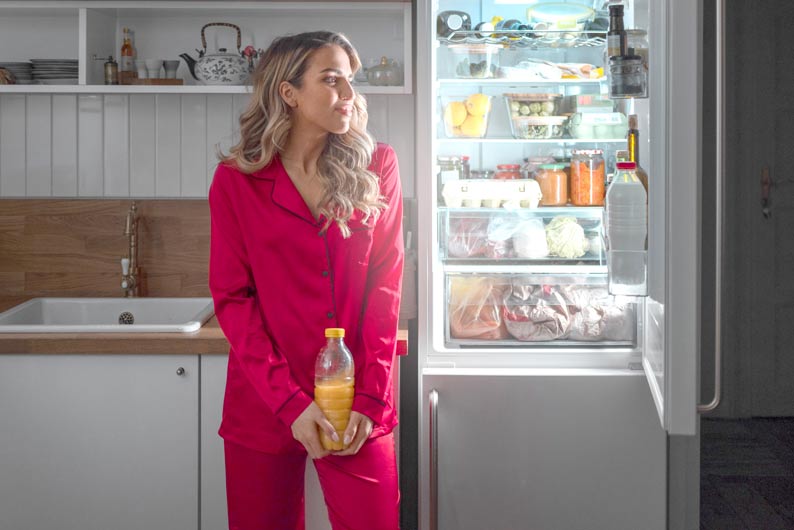
Refrigerators are used every day to keep food cold and safe to eat. However, common mistakes can damage refrigerators.
Overloading the Fridge: Putting too many things inside the refrigerator can block the flow of air. Cold air needs to move freely to keep the temperature even. If the air can’t flow properly, the fridge works harder and may get damaged over time. Make sure there’s enough space between items in the fridge so air can move around freely.
Not Cleaning the Coils: The coils on the back or bottom of the fridge help it to cool properly. If these coils are dirty, the fridge can overheat. This might make it use more energy and break down faster. So clean the refrigerator coils every few months. This helps the fridge cool down easily without using too much energy.
Leaving the Door Open Too Long: When the fridge door is open for too long, cold air escapes, and the fridge has to work extra hard to cool things down again. This puts stress on the fridge. Remember to try to avoid leaving the door open for too long. Get what you need quickly and close the door to save energy and prevent damage.
2. Washing Machine

Washing machines save time and effort when doing laundry, but they can also be easily damaged by everyday mistakes.
Using Too Much Detergent: It’s easy to think that using more soap will clean clothes better, but this isn’t true. Too much detergent creates too many bubbles and can leave soap residue inside the machine. This residue can block water from flowing well, leading to damage. So follow the detergent instructions on the packaging. Using the right amount of soap will clean your clothes without damaging the machine.
Overloading the Washer: Putting in too many clothes at once can unbalance the machine. This makes it harder for the washer to spin properly and can wear out the motor faster. That’s why pay attention to the load limits in the machine’s manual. Give clothes enough room to move around.
Ignoring Small Objects: Small things like coins, buttons, or hairpins can get stuck in the washing machine’s drain or pump, causing big problems later. Don’t put dirty clothes into the washer if you have small objects in your pockets.
3. Dishwasher

Dishwashers make cleaning dishes much easier, but they also need to be cared for to work properly for a long time.
Overloading the Dishwasher: When you put too many dishes in at once, they might not get cleaned well, and it can cause parts of the dishwasher to wear out faster. So don’t overload the dishwasher. Make sure there’s enough space for water and detergent to reach all the dishes.
Not Scraping Food Off Dishes: Large pieces of food left on plates can get stuck in the dishwasher’s filter, leading to blockages. This makes the dishwasher work harder and can cause damage. Before loading dishes, scrape off large food pieces into the trash. This will help avoid blockages.
Using the Wrong Soap: Dishwasher detergent is different from regular dish soap. Using regular soap can cause bubbles to overflow and damage the machine. Make sure to use dishwasher detergent so that bubbles do not overflow and the machine is not damaged.
4. Iron Mistakes
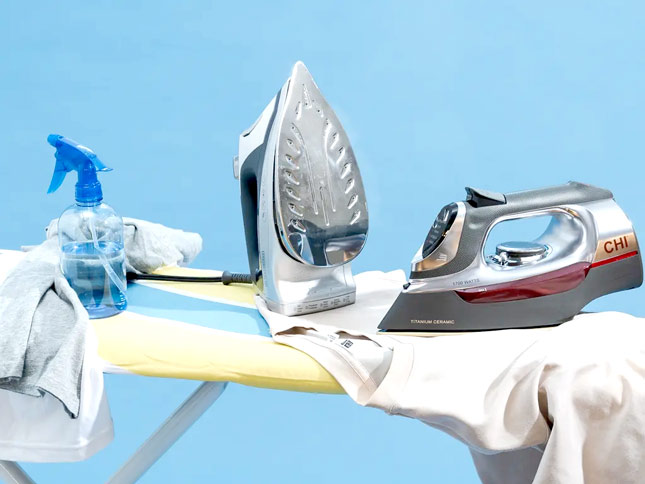
Don’t use tap water in your iron. Tap water can cause buildup inside, which can harm your iron. While some people argue about using filtered water, it’s safer to go with filtered water. The fewer minerals, the better it is for your iron.
Always empty the water tank after you use it. Many people forget this step, but leaving water inside can cause rust. This rust can lead to brown spots on your clothes. And if water leaks into the iron’s wires, it could cause a short circuit.
Even if your iron looks clean, it still needs cleaning. Small bits of fabric and minerals from water can block the steam holes. The easiest way to clean it is with a mixture of baking soda and water.
5. Microwave
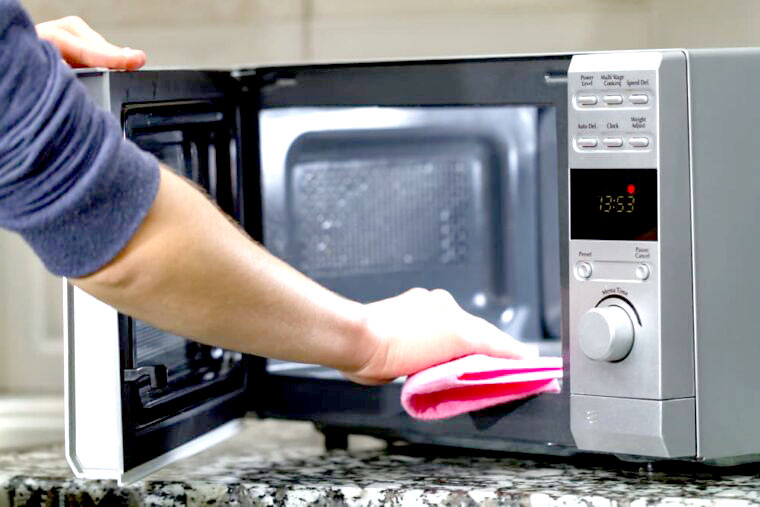
Microwaves are handy for heating food quickly, but there are common habits that can Damage Household Appliances.
Using Metal Inside the Microwave: Metal objects, like foil or metal plates, can cause sparks inside the microwave. This can damage the microwave’s interior or even cause a fire. Always avoid putting metal objects in the microwave. Use only microwave-safe containers.
Running It Empty: Running a microwave with nothing inside can damage its internal parts. The microwave waves have nothing to absorb, which can cause overheating. So don’t Only turn on the microwave when there is food or liquid inside to absorb the energy.
Not Cleaning It Regularly: Food splatters left inside the microwave can get cooked on, making them harder to clean. These splatters can also cause bad smells and affect how well the microwave heats food. Wipe down the inside of the microwave regularly to prevent food from building up and causing damage.
6. Blender

Don’t blend ice or frozen foods unless your blender is made for it. If your blender isn’t strong enough, the blades or motor could break. To blend ice safely, try adding a little water to make it easier.
Be careful with hot liquids. Heat makes the air inside the blender jar expand, which could break the jar. To stop this, cover the jar with a towel and blend on the lowest speed.
If you’re using the blender for a long time, let the motor rest so it doesn’t overheat.
7. Oven and Stove Top

Ovens and stovetops are key for cooking meals, but small mistakes can lead to big problems.
Using the Wrong Cookware: Some pans, like those made of glass or ceramic, might not be safe for use on stovetops. They can break or crack when heated quickly. Check if your cookware is safe for stovetop or oven use. Avoid using glass or ceramic on the stovetop unless it’s marked as safe.
Spilling Liquids: When liquids spill over from pots or pans, they can get into the heating elements of electric stoves or cause gas burners to clog. This makes cooking less efficient and can damage the stove. If something spills, clean it up as soon as it’s safe to avoid damaging the stove.
Not Preheating the Oven: Skipping the preheating step can cause uneven cooking, and the oven may work harder to reach the right temperature. Always preheat your oven to the right temperature before putting in food. This helps the oven work properly and cook your food evenly.
8. Vacuum Cleaner
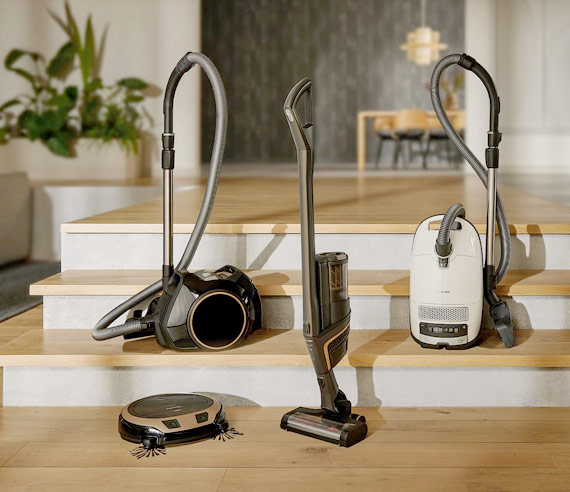
Vacuum cleaners help keep our homes clean, but they can easily get damaged if not used or maintained properly.
Not Emptying the Dust Bag or Bin: When the dust bag or bin is full, the vacuum cleaner has to work harder to pick up dirt. This can cause the motor to overheat and break down. Don’t wait until the vacuum bag or bin is full. Empty it regularly to keep the vacuum running smoothly.
Vacuuming Up Large Objects: Large items like coins, paperclips, or small toys can get stuck in the vacuum cleaner’s hose or brush. This can block the airflow and damage the machine. Check the floor for large objects before vacuuming. Pick them up by hand to prevent blockages.
Using the Wrong Settings: Some vacuums have different settings for carpets, hardwood floors, or tiles. Using the wrong setting can make the vacuum less effective and harder to push, which can strain the motor. Make sure you’re using the right vacuum setting for the type of floor you’re cleaning. This will help the vacuum work better and last longer.
9. Meat grinder
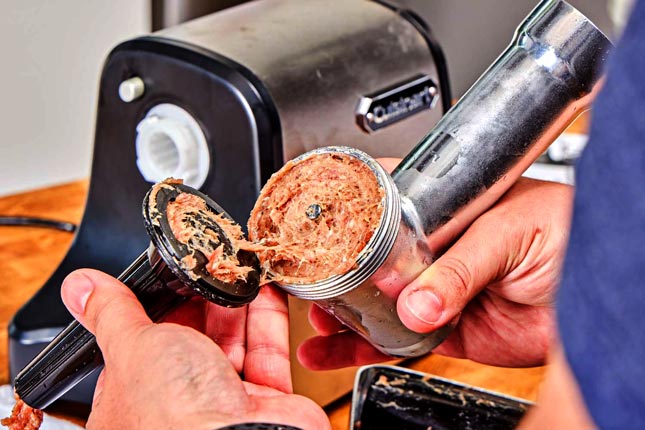
Make sure your meat grinder can be washed in the dishwasher if the manual suggests it. Many meat grinders are made of aluminum, and dishwasher soap has strong chemicals that can make the metal look dull. These chemicals might also leave behind residue that could get into your food.
Always make sure there are no bones in the meat before grinding. Some powerful grinders can handle bones, but most can’t, and it could break the grinder.
Be careful not to let your meat grinder overheat. This can happen if there isn’t enough oil or if the cooling system isn’t working well. With new grinders, overheating can also happen if you put in too much meat or use it for too long without stopping.
10. Air Conditioner Mistakes
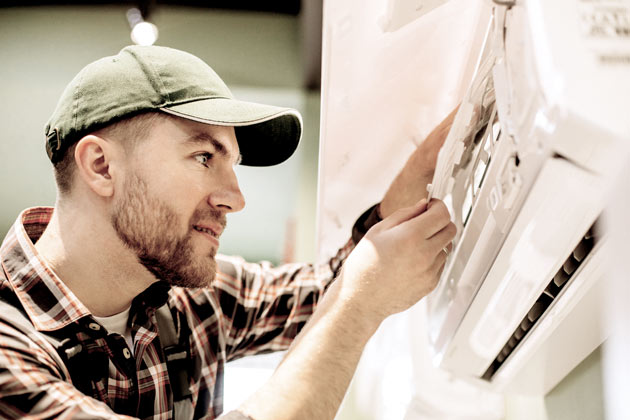
Air conditioners keep our homes cool during hot weather, but certain habits can cause them to break down faster.
Not Cleaning or Replacing Filters: Air conditioners have filters that trap dust and dirt. If these filters get too dirty, the air conditioner has to work harder to cool the room, which can cause it to break. Check the air conditioner’s filters every few weeks and clean or replace them as needed. This keeps the unit working efficiently.
Setting the Temperature Too Low: It can be tempting to set the air conditioner to a very low temperature on a hot day. However, this makes the unit work harder and can lead to faster wear and tear. Set the temperature to a comfortable level, but don’t go too low. This will keep your air conditioner from overworking.
Not Giving It a Break: Running the air conditioner non-stop without giving it a rest can overheat the system and cause it to fail. Turn off the air conditioner when you don’t need it or use a timer to give it a break. This helps prevent overheating.
Conclusion
We rely on household appliances every day to make our lives easier, but small mistakes can cause big damage over time. By understanding these common mistakes and taking simple steps to avoid them, we can keep our appliances running smoothly for years to come. Regular cleaning, careful usage, and paying attention to how we operate these devices will help us save money on repairs and replacements. Remember, a little care goes a long way in protecting your valuable household appliances!