

The internet is highly competitive, and simply producing excellent content no longer guarantees top rankings. As your website expands, adopting a strategic approach that highlights your expertise and helps search engines grasp the relationships between your posts is crucial.
At Lore Pearl, we emphasize the power of SEO topic clusters. These interconnected content groups not only strengthen our authority but also prevent keyword cannibalization and signal to Google which pieces hold the most value. In this guide, we’ll explore how you can develop a robust content cluster strategy to improve your search engine ranking and position your site as a trusted source in your field.
What Is an SEO Topic Cluster?
Every minute, millions of people turn to search engines like Google, seeking answers. To capture a share of this vast search traffic, creating detailed, high-value content is essential. However, as you publish more content, organizing it effectively becomes a challenge.
An SEO topic cluster revolves around a central, comprehensive post known as a pillar article, which offers an in-depth overview of a broad topic. This article is supported by smaller, more focused posts, often referred to as cluster content, that cover specific aspects of the broader topic in detail. Both the pillar and cluster articles are interlinked, helping search engines understand the thematic connection between them.
For instance, this article is part of Lore Pearl’s broader SEO cluster, which links back to the pillar post on [Mastering SEO: A Comprehensive Guide]. That pillar post offers a deep dive into SEO fundamentals, and individual subtopics—like this one on topic clusters—are broken down into separate but interconnected articles.
Why SEO Topic Clusters Are Effective
- Clear Hierarchy for Search Engines: Interlinking content within clusters gives Google a clear understanding of how your posts relate to one another, boosting your site’s overall authority.
- Better User Experience: Topic clusters make it easy for users to navigate complex subjects by guiding them to related articles, improving dwell time and engagement.
- Avoiding Keyword Cannibalization: When content on the same topic is spread out without strategic linking, it may compete for the same keywords, diluting its impact. Topic clusters solve this by organizing your content logically.
- Increased Topical Authority: When your site thoroughly covers a subject, Google is more likely to consider you an authoritative source, improving rankings across all related articles.
How to Build a Content Cluster Strategy
- Identify Your Pillar Topics: Begin by selecting broad, evergreen topics that resonate with your audience. These should be relevant to your niche and capable of serving as comprehensive guides. For example, if your website focuses on digital marketing, a pillar topic could be “SEO Strategies for Beginners.”
- Research Cluster Topics: Once you’ve established your pillar topics, break them down into smaller, related subtopics. Using our SEO example, cluster topics might include “On-Page SEO Best Practices,” “How to Conduct Keyword Research,” or “Technical SEO Tips.”
- Create High-Quality Pillar Content: Your pillar article needs to be thorough and well-researched. It should aim to cover the topic as broadly and deeply as possible, while still leaving room for the cluster articles to explore specific subtopics.
- Write Detailed Cluster Articles: Your cluster articles should provide valuable insights on each subtopic. Be sure to link them to the relevant pillar post and to each other where applicable.
- Optimize Interlinking: A key to making your topic clusters successful is proper internal linking. Each cluster article should point back to the pillar content and other related cluster articles, creating a web of interconnected resources.
- Monitor and Update Regularly: SEO is not static, and neither should your clusters be. Monitor the performance of your content, update articles as necessary, and continue adding new cluster content to strengthen the overall topic.
Tools to Help You Build Topic Clusters
To simplify the process of building content clusters, you can leverage several tools:
- Keyword Research Tools (e.g., Ahrefs, SEMrush): These tools help you identify relevant keywords and subtopics for your clusters.
- Content Mapping Tools (e.g., Trello, Miro): Visualize your topic clusters and interlinking structure using boards or mind maps.
- SEO Plugins (e.g., Yoast, Rank Math): These tools assist with on-page SEO optimization, ensuring your content clusters are structured for maximum search engine visibility.
Conducting Research for Your SEO Topic Clusters
The first step in creating successful SEO topic clusters is thorough research. Begin by considering the range of topics and subtopics you want to address. Additionally, identify specific questions people are searching for within your niche on platforms like Google.
If you’ve already conducted research when starting your blog, you can repurpose that data to help form your SEO clusters. Otherwise, kick things off with a brainstorming session.
Brainstorm Relevant Topics for Your Blog
Start by listing potential topics you can cover on your blog. These can include your products, services, and other key subjects relevant to your industry.
For example, if you own an online pet food store, you might focus on various types of pet food, as well as topics like pet care and maintaining pet health.
Identify Main Keywords for Your Topics
Once you have your topics, it’s time to perform keyword research. You can refer to a comprehensive guide on conducting keyword analysis for your blog, using tools like Semrush, Ahrefs, LowFruits, or the free WPBeginner Keyword Generator.
This research will help you find the primary keywords related to your topics. For example, a pet food store might focus on clusters such as “best dog food,” “pet nutrition,” or “healthy treats for pets.”
Aim to identify 3-5 broad, relevant topics that reflect your products, services, or expertise. These will form the basis of your content clusters.
Explore Related Long-Tail Keywords
Next, focus on uncovering related long-tail keywords—specific questions or phrases that potential customers are searching for. These long-tail keywords will guide your more detailed, supporting articles.
For example, if “pet food” is a main keyword, long-tail keywords might include:
- Best organic dog food for puppies
- Grain-free food for senior dogs
- Affordable dog treats for training
- Raw food recipes for small dogs
- Benefits of grain-free dog food
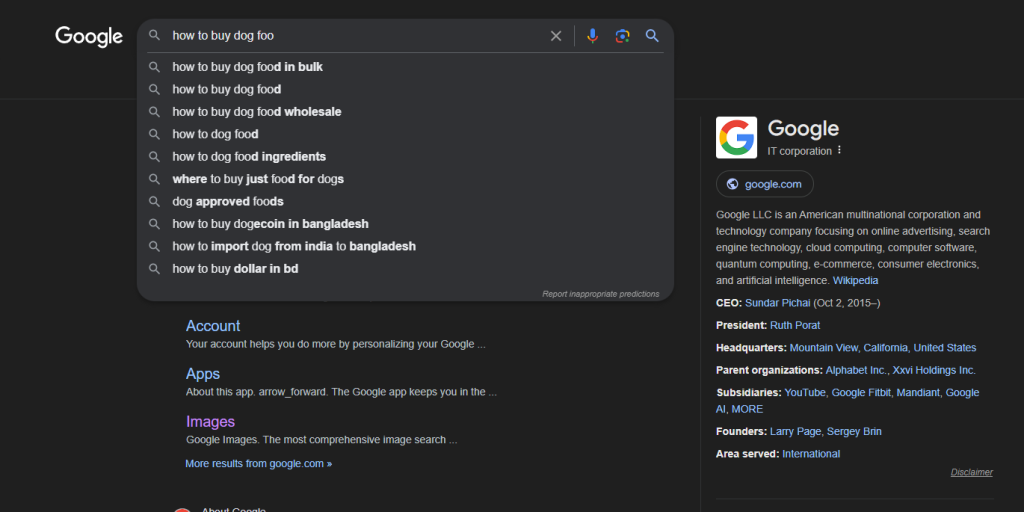
To discover long-tail keywords, you can use tools like Google’s autocomplete feature. Simply start typing a keyword, and the search box will suggest related phrases based on popular searches.
By thoroughly researching and identifying both broad and long-tail keywords, you’ll be better equipped to create SEO topic clusters that attract traffic and engage readers.
Writing the Pillar and Supporting Articles for Your Clusters
Once your topic clusters are set, it’s time to start writing content, one article at a time. Begin by creating a pillar article that provides a broad overview of each cluster, followed by individual posts focused on detailed subtopics and long-tail keywords.
To keep track of your progress, consider using tools like Asana, where you can tag each article with its relevant cluster. Alternatively, you can export your keyword clusters into an Excel spreadsheet to monitor which articles have been completed.
Focus on Quality, One Post at a Time
You may wonder whether to start with the pillar article or the subtopic posts. In reality, it doesn’t matter—what’s important is to begin. Write each article one by one, ensuring every piece is thorough and valuable to your readers.
The pillar articles should concentrate on your main keyword, while subtopic posts should target more specific long-tail keywords. This will help you avoid keyword cannibalization and ensure your content is well-targeted.
Make your content detailed, helpful, and easy to navigate. Use subheadings, bullet points, and images to break up the text and keep readers engaged. For further guidance, check out our full guide on writing high-quality blog posts.
Create Internal Links Between Cluster Posts
Once your subtopic articles are complete, revisit your pillar post to ensure it includes links to all relevant subtopics. This will allow readers to easily explore related content and reinforce the structure of your cluster.
Similarly, each subtopic article should link back to the pillar post, signaling to both readers and search engines that the pillar is the cornerstone of your cluster. It’s also a good practice to interlink subtopic posts with one another when appropriate, creating a strong internal linking structure within the cluster.
As a general rule, aim for at least 80% of your internal links to connect to posts within the same cluster. This strategy not only improves user navigation but also signals to search engines the importance of each article within the cluster.
Don’t underestimate the power of internal linking for SEO, especially when working with content clusters. Use keyword-rich anchor text to help both readers and search engines understand the value of the linked pages.
To simplify this process, tools like All in One SEO’s Link Assistant can be a game-changer. It suggests internal linking opportunities, allowing you to quickly add relevant links without manually editing each post.
The pillar articles should concentrate on your main keyword, while subtopic posts should target more specific long-tail keywords. This will help you avoid keyword cannibalization and ensure your content is well-targeted.
Make your content detailed, helpful, and easy to navigate. Use subheadings, bullet points, and images to break up the text and keep readers engaged. For further guidance, check out our full guide on writing high-quality blog posts.
Create Internal Links Between Cluster Posts
Once your subtopic articles are complete, revisit your pillar post to ensure it includes links to all relevant subtopics. This will allow readers to easily explore related content and reinforce the structure of your cluster.
Similarly, each subtopic article should link back to the pillar post, signaling to both readers and search engines that the pillar is the cornerstone of your cluster. It’s also a good practice to interlink subtopic posts with one another when appropriate, creating a strong internal linking structure within the cluster.
As a general rule, aim for at least 80% of your internal links to connect to posts within the same cluster. This strategy not only improves user navigation but also signals to search engines the importance of each article within the cluster.
Don’t underestimate the power of internal linking for SEO, especially when working with content clusters. Use keyword-rich anchor text to help both readers and search engines understand the value of the linked pages.
To simplify this process, tools like All in One SEO’s Link Assistant can be a game-changer. It suggests internal linking opportunities, allowing you to quickly add relevant links without manually editing each post.
Maintain and Grow Your Topic Clusters
After completing your topic clusters, it’s crucial to keep them updated. Regularly refresh your pillar articles and subtopic posts with the latest information, statistics, examples, and media. This ensures your content remains valuable to both users and search engines.
At Lore Pearl, we aim to update every article at least once every six months to prevent content decay. For more insights, check out our guide on combating content decay.
Beyond maintaining existing content, it’s essential to expand by building new clusters. Continuously research new keyword opportunities and create fresh content to strengthen your site’s topical authority and extend your audience reach.
FAQs: Common Questions About SEO Topic Clusters
Here are some frequently asked questions about SEO topic clusters.
What is an SEO topic cluster?
An SEO topic cluster functions like a bicycle wheel. The hub is your pillar article, which covers a broad topic. The spokes represent individual blog posts or articles focused on specific keywords related to that main topic. The links are the rim, connecting everything together.
What are the benefits of using SEO topic clusters?
Organizing your content into clusters helps search engines like Google understand your site’s structure and the depth of information you provide. The internal links also help Google crawl your content more efficiently, improving your ranking potential. Additionally, you’ll rank for a broader range of keywords, as each cluster targets multiple related terms.
How many clusters should my site have?
There’s no set number. Start with a few clusters around your most important products, services, or core topics. As your website grows, you can gradually add more clusters to cover additional areas of interest.
How do I select cluster topics?
Use keyword research to identify broad terms your audience is searching for. These will form your cluster topics. Then, dive deeper into related long-tail keywords, which can become the subtopics for your cluster content.
Can I implement clusters on a website that already has a lot of content?
Absolutely! Clusters are a great way to reorganize and optimize existing content. By linking related posts together, you’ll enhance both the user experience and your SEO performance.
Will topic clusters guarantee a #1 ranking?
No, topic clusters are just one piece of the SEO puzzle. While they can significantly improve your SEO strategy, other factors like content quality, site speed, and general SEO best practices are still essential. Remember, SEO takes time, so patience is key.
We hope this guide helped you understand how to create and maintain a successful content cluster strategy. You may also want to explore our guide on automating WordPress SEO or check out our recommended long-tail keyword generators to boost your content strategy.
If you liked this article, then please subscribe to our YouTube Channel for WordPress video tutorials. You can also find us on Twitter and Facebook.