
Studying is an important part of being a student, but it doesn’t have to be overwhelming or stressful. With the right approach and some effective study tips for students, you can make your study sessions more productive and even enjoyable! Whether you’re in school, college, or learning a new skill, these simple study tips will help you get organized, stay focused, and improve your results.
Let’s dive into some practical tips that help students of all ages succeed in their studies!
1. Make a Study Schedule
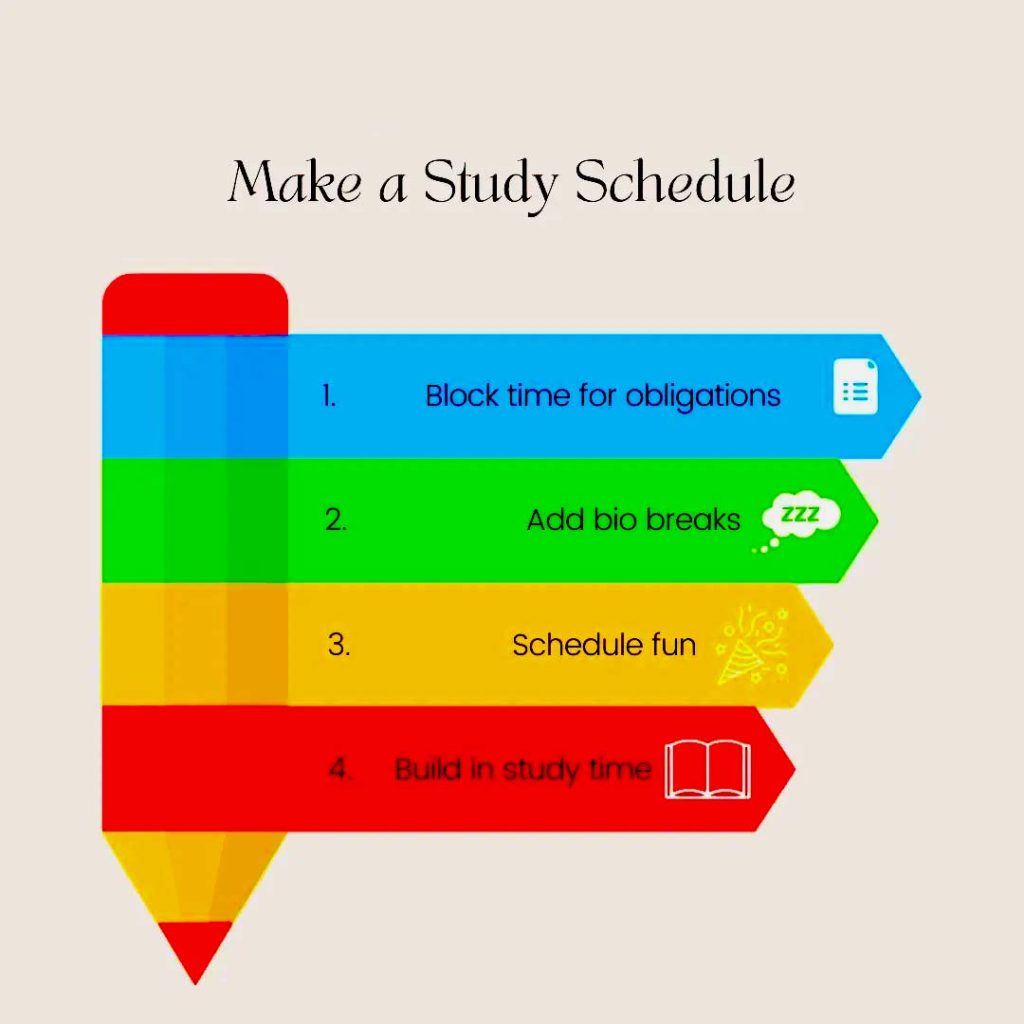
One of the most important things you can do to study effectively is to build a study schedule, using effective teaching strategies to maximize retention and understanding. Instead of studying everything at once, break your study time into smaller, manageable blocks. Plan out which subjects or topics you will study each day, and set aside specific times for each.
Example: If you have a math test next week, you could plan to review one chapter each day leading up to the test. You might study for 30 minutes after school on Monday, 45 minutes on Tuesday, and so on. Laying out your study sessions helps you maintain information better and reduces last-minute load.
2. Make Clear Goals for Each Study Session
When you sit down to study, it’s important to know exactly what you want to accomplish. Setting specific goals is one of the most effective study tips for students to stay focused and motivated.
Example of clear study goals:
-
“I will read Chapter 3 of my science textbook and take notes.” -
“I will solve five practice problems for math.”
Having a clear goal helps you dwell on track and gives you a sense of accomplishment when you complete it.
3. Find Your Best Study Environment

Where you study can create a big distinction in how productive you are. Everyone has a different ideal study environment, so finding what works best for you is important.
Some people like full silence, while others work better with soft background music. Make sure your study space is free of distractions, comfortable, and well-lit.
Tip: If you find it difficult to focus at home, try studying at the library or in a quiet café. Experiment with different environments until you find the one where you can concentrate best.
4. Use the Pomodoro Technique
Studying for long periods without a break can be exhausting, and it’s easy to lose focus. The Pomodoro Technique is a popular method that helps you stay focused by breaking your study time into short sessions.
Here’s how it works: Study for 25 minutes. Take a 5-minute break. Repeat the cycle four times, then take a longer break (15-30 minutes).
This method helps prevent burnout and keeps your brain fresh. Plus, knowing you have a break coming up can make it easier to stay focused during study time.
5. Stay Organized with Notes

Good note-taking is one of the most valuable study tips for students because it can make studying much easier. Instead of trying to memorize everything, focus on writing down key points, definitions, and summaries of what you’ve learned.
You can use highlighters to emphasize important sections and organize your notes with bullet points, headings, or diagrams. Some students like to create mind maps—a visual way of organizing information that helps them see how ideas connect.
Example: If you’re studying history, you could make a mind map showing the causes of a historical event, the key figures involved, and its impact. Visual aids can be incredibly helpful for remembering information.
6. Teach What You’ve Learned
One of the best ways to reinforce what you’ve studied is to teach it to someone else. Explaining a topic in your own words helps you understand it better, and it highlights any gaps in your knowledge.
You can “teach” a friend, or family member, or even just pretend to explain the material to an imaginary audience. If you can explain something clearly, it’s a good sign that you understand it.
Example: After studying a math concept like algebra, try explaining the steps to solve an equation out loud. If you can teach it, you’ve mastered it!
7. Take Breaks to Recharge
While it’s important to study, it’s equally important to take breaks. Studying for hours without rest can make you tired and less productive. Give your brain time to relax and recharge by taking short breaks between study sessions.
During your break, do something relaxing, like stretching, taking a short walk, or grabbing a healthy snack. Avoid spending your breaks scrolling through social media, as this can make it harder to refocus afterward.
Tip: A 5-10 minute break every hour or so can boost your concentration and help you stay energized throughout your study session. Following these study tips for students will help you maintain productivity and avoid burnout.
8. Use Practice Tests and Quizzes
Practice makes perfect! Testing yourself is a great way to see what you understand and what you even need to work on. Use practice tests, quizzes, or past exam papers to simulate the exam experience.
Benefits of practice tests:
1. You get familiar with the format of the exam.
2. You learn how to manage your time during the test.
3. You can identify any areas where you need more review.
4. If you're studying a subject like math or science, solving practice problems is especially
5. helpful. Even for subjects like English or history, answering essay questions or
6. multiple-choice quizzes can boost your confidence.
9. Stay Healthy: Sleep, Eat Well, and Exercise
One of the most overlooked study tips for students is to ensure your brain has the right fuel for optimal function. Getting enough sleep, eating healthy meals, and staying active all contribute to better concentration and memory.
Sleep: Aim for 7-9 hours of sleep each night. Lack of sleep can make it harder to focus and remember what you’ve studied.
Nutrition: Eating balanced meals with fruits, vegetables, and protein can improve your energy and focus. Avoid too much junk food, as it can leave you feeling sluggish.
Exercise: Physical activity, even a short walk, boosts blood flow to the brain and helps reduce stress. Try to move around during your breaks to stay sharp and energized.
10. Don’t Be Afraid to Ask for Help
If you’re stuck on a topic or don’t understand something, don’t hesitate to ask for help. You can talk to your teachers, and classmates, or even look for online resources like videos and tutorials.
Many students feel shy about asking questions, but it’s important to clear up any confusion as soon as possible. Asking for help shows that you’re committed to learning, and it can make studying easier in the long run.
11. Stay Positive and Manage Stress
Exams and studying can sometimes feel overwhelming, but it’s important to stay positive. Believe in your ability to succeed, and remember that everyone has strengths and weaknesses. If you have a bad day of studying, don’t be too hard on yourself—just try again tomorrow.
1. Practice deep breathing or meditation to calm your nerves.
2. Talk to a friend or family member if you're feeling overwhelmed.
3. Break your study tasks into smaller steps to make them more manageable.
4. Staying positive and managing stress will help you feel more in control and confident in your abilities.
12. Review Regularly
Instead of waiting until the last minute to review everything, make review sessions part of your regular study routine. Going over the material multiple times helps move information from short-term to long-term memory.
For example: after finishing a chapter in your textbook, review your notes the next day, then again a week later. This helps reinforce what you’ve learned and ensures that you’re retaining the information.
13. Stay Motivated with Small Rewards
One of the most effective study tips for students is to keep yourself motivated by rewarding your progress. Rewarding yourself after completing study goals can make studying feel more enjoyable and less like a chore.
Example of rewards:
After finishing a chapter, watch an episode of your favorite show. Take a longer break to enjoy a hobby or hang out with friends after an effective study session.
Setting up small rewards for yourself gives you something to look forward to and helps you stay motivated.
Conclusion
Studying doesn’t have to be stressful or overwhelming. With the right strategies and effective study tips for students, you can make your study sessions more productive and even enjoyable. By creating a study schedule, staying organized, and taking care of yourself, you’ll be better prepared to succeed in your exams or assignments. Remember, it’s not just about studying harder—it’s about studying smarter!