
Many people using Ozempic for weight loss have noticed changes in their face, often referred to as “Ozempic face.” Ozempic, a medication primarily prescribed for diabetes management, has become popular for its ability to promote significant weight loss. However, rapid weight loss can lead to facial changes, such as sagging skin or hollow cheeks, which many users experience. In this article, we’ll explore what “Ozempic face” is, why it happens, and how to manage its impact on your appearance. Understanding these changes can help you navigate your weight loss journey with confidence.
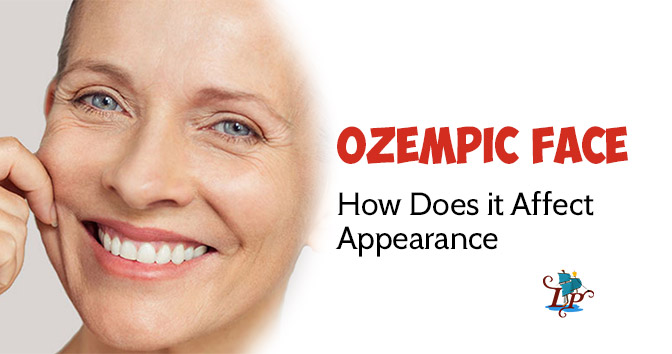
What is Ozempic Face?
Ozempic face is a phrase used to define facial transformations that some individuals experience while using Ozempic, a medication primarily prescribed for weight loss and diabetes management. These changes can contain sagging skin, hollow cheeks, or a more aged look, which typically result from rapid weight loss rather than the medication itself.
Ozempic outcomes by mimicking a hormone called GLP-1, which helps maintain blood sugar levels and reduces appetite. As a result, people using Ozempic often experience substantial weight loss, which can lead to a reduction in body fat, including in the face. While this weight loss is generally beneficial for overall health, it can cause the skin on the face to lose its youthful fullness. As fat is lost from the cheeks and jawline, the skin may not bounce back immediately, leading to sagging or a sunken look.
It’s essential to note that these changes in appearance are not directly caused by Ozempic itself, but rather by the effects of quick weight loss on body composition. While the medication helps with weight management, the face may lose fat more quickly than the skin can adjust, resulting in the characteristic Ozempic face. Managing weight loss gradually and taking care of skin elasticity may help mitigate these effects.
How Does Ozempic Affect Facial Appearance?
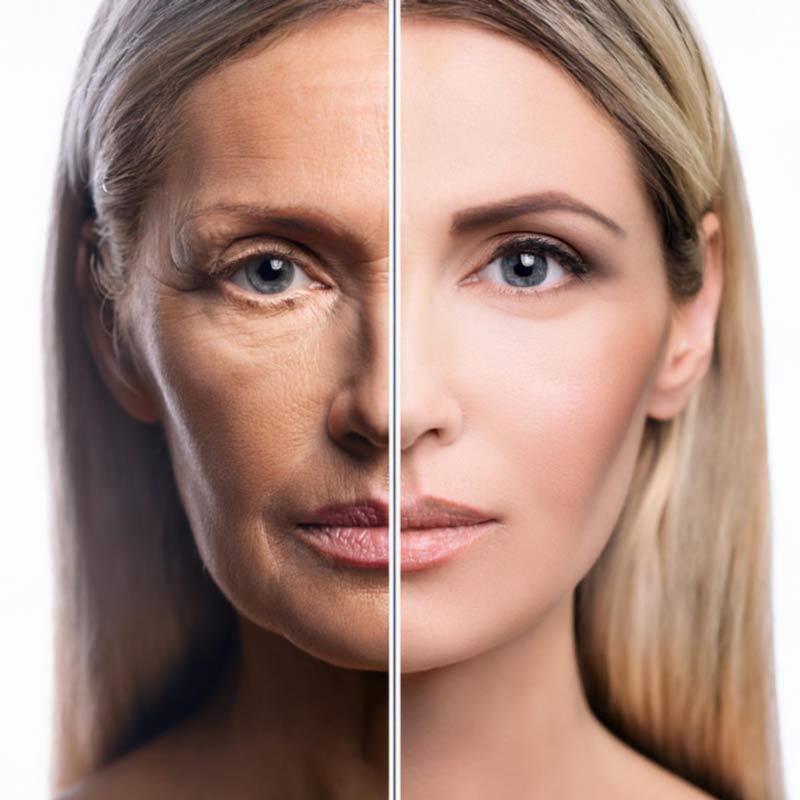
Ozempic face refers to the facial changes some individuals experience while using Ozempic for weight loss. One of the primary factors contributing to these changes is rapid weight loss. As people lose weight quickly, they often experience a reduction in facial fat, which can result in hollow or sagging cheeks. While this may be desirable in other areas of the body, the face can be more sensitive to these changes.
Another contributing factor is skin elasticity. When weight is lost fast, the skin, especially on the face, may not have sufficient time to adjust. As a result, it may not snap back, showing loose or sagging skin. This is especially noticeable around the neck, cheeks, and jawline, where the skin is thinner and more prone to the effects of weight loss.
The combination of reduced facial fat and less resilient skin can lead to aging effects, such as a more tired or older appearance. The loss of facial fullness may make people appear more gaunt or drawn. While these changes are not necessarily harmful, they can impact self-esteem, especially if the transformation happens rapidly. Managing weight loss gradually and taking steps to maintain skin health can help mitigate some of these effects of Ozempic face.
Common Facial Changes from Ozempic Use
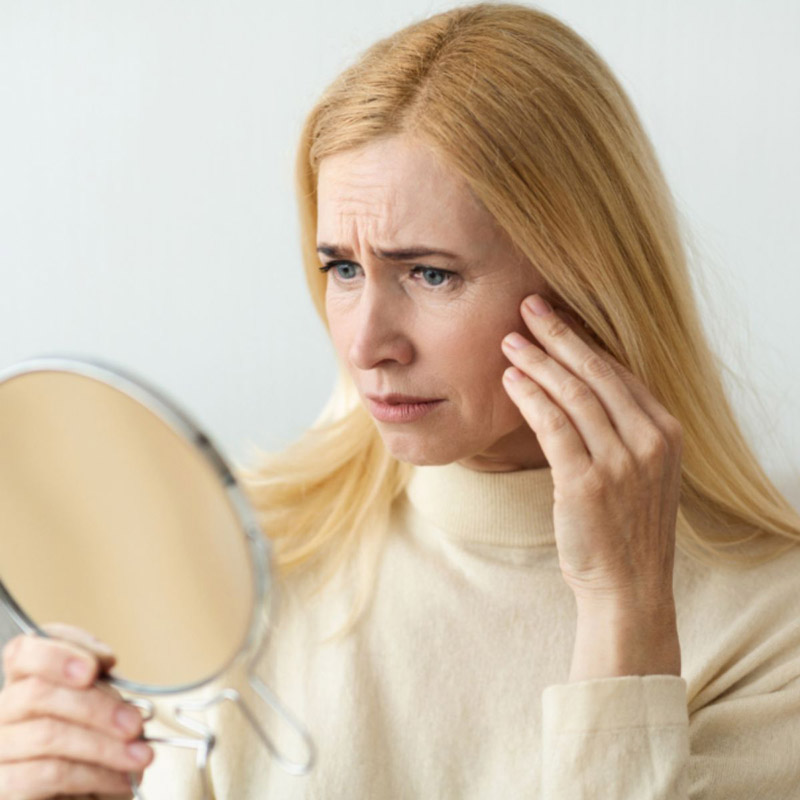
Ozempic face refers to the facial changes some individuals experience while using Ozempic for weight loss. Common changes include hollow cheeks, as fat loss occurs in the face, resulting in a more sunken appearance. Many also experience a thinner face, with a more defined but sometimes overly sharp jawline. In some cases, users notice loose skin around the jaw or neck area, as the skin may not adapt quickly to rapid weight loss. For example, one user reported feeling self-conscious about her new jawline after losing 30 pounds on Ozempic, which made her face appear more angular and less youthful. These changes are often temporary and vary individually.
Can Ozempic Face Be Prevented or Reversed?
Ozempic face can be managed or minimized with a few strategies. Slowing down weight loss can help avoid extreme facial changes, allowing the skin to modify more naturally. Skincare plays an essential role in maintaining skin elasticity, with products that moisturize, hydrate, and promote collagen production. Facial exercises or massages may also help tone and tighten the skin, reducing sagging. For more significant changes, cosmetic procedures like dermal fillers or non-invasive treatments can restore facial volume and smoothness. These methods can support addressing Ozempic face and enhance appearance without compromising the benefits of weight loss.
Is Ozempic Face Permanent?
Ozempic face is not necessarily permanent. Once weight stabilizes or the medication is stopped, facial changes often begin to reverse over time as the body adjusts. For many, the skin gradually tightens as it adapts to the new body composition. However, the degree of reversal can vary, depending on aspects like age and skin elasticity. Cosmetic treatments, such as dermal fills or skin tightening procedures, can also help convert facial volume and smoothness. While changes may take several months to stabilize, with proper care and treatments, many individuals see improvements in their Ozempic face appearance.
Managing Ozempic Face: Tips and Advice
Managing Ozempic face involves a combination of practical steps to maintain a healthy appearance. Staying hydrated is essential for skin elasticity while eating a balanced diet high in vitamins and nutrients supports overall skin health. Proper skincare routines, including moisturization and products that boost collagen, can help reduce sagging or dryness. Regular facial massages or exercises may also help tone the skin. For personalized advice and more targeted solutions, it’s recommended to consult a dermatologist or healthcare professional. These experts can provide treatments or suggestions to handle Ozempic face and ensure a balanced approach to weight loss.
Ozempic face refers to facial changes, such as hollow cheeks or sagging skin, that occur due to fast weight loss associated with the medication. These changes happen because of fat loss in the face and reduced skin elasticity. Solutions to manage or reverse these effects include gradual weight loss, proper skin care, facial exercises, and cosmetic treatments. It’s important to balance the benefits of weight loss with self-care and consult healthcare professionals if concerned. While Ozempic face can be a temporary side effect, there are ways to enhance your appearance and feel confident throughout your weight loss journey.