Ever wondered if simple jaw exercises could change the way your face looks? What is mewing might be the answer. Mewing is a technique that has gained popularity for its potential to improve facial appearance, particularly the jawline. By practicing proper tongue posture, mewing enthusiasts claim can help define facial features and promote better facial symmetry. In this article, we’ll explore what is mewing and how it can influence your facial structure, giving you a clearer understanding of its benefits and the science behind it.
What is Mewing?
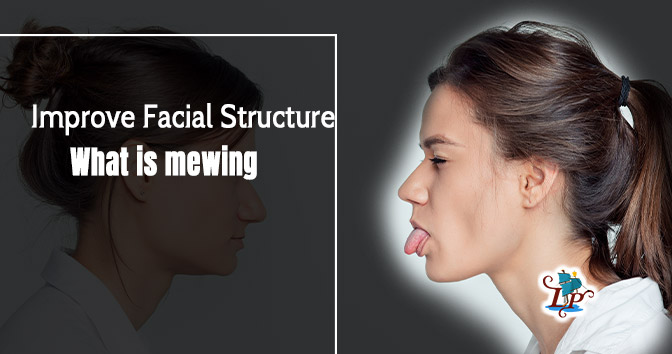
Mewing is a technique that involves maintaining proper tongue posture by keeping the tongue pressed against the roof of the mouth. This simple yet effective practice is believed to improve facial appearance and alignment. The technique was popularized by Dr. John Mew, a British orthodontist, who developed the concept as part of his orthotropic approach to facial development and alignment.
The idea behind mewing is that the tongue’s position plays a crucial role in the development of the facial structure, particularly the jaw and teeth. By consistently positioning the tongue correctly, mewing aims to guide proper bone growth, potentially improving the shape of the jawline and even helping to align the teeth naturally. Dr. Mew’s method challenges traditional orthodontic practices, suggesting that the right tongue posture can influence facial features, especially during childhood and adolescence when bone growth is more malleable.
While mewing is most effective for individuals in their developmental years, even adults practicing proper tongue posture may see some benefits, such as a more defined jawline and improved symmetry. Though scientific evidence supporting mewing’s long-term effectiveness is still limited, many enthusiasts have reported positive changes in their facial appearance.
How Mewing Improves Facial Structure
Mewing can significantly enhance facial aesthetics by promoting proper tongue posture, which helps with jawline definition, facial symmetry, and cheekbone elevation.
One of the most notable benefits is the jawline definition. When the tongue is placed against the roof of the mouth, it engages facial muscles, encouraging the development of the jawline and improving its definition. This technique also influences facial symmetry, as maintaining the correct tongue posture can help align facial features, leading to a more balanced appearance. Over time, mewing may create more harmonious proportions between the upper and lower parts of the face.
Mewing may also enhance cheekbone elevation. By supporting the upper facial structure, the technique helps shape the area around the cheeks, potentially making them appear more prominent and sculpted.
While the results of mewing vary, many people report noticeable improvements over time, particularly when practiced consistently. Though individual experiences differ, some individuals see significant changes in their facial features, contributing to a more youthful and defined appearance. For those wondering “what is mewing”, it’s a technique that has gained popularity for its potential to transform facial structure naturally.
The Science Behind Mewing

Mewing impacts the natural development of facial bones and muscles, particularly during childhood and adolescence when bone growth is more malleable. Maintaining proper tongue posture, with the tongue resting against the roof of the mouth, helps align the jaw and encourages optimal facial growth. This technique is believed to promote a more defined jawline, improved symmetry, and better overall facial structure. While scientific studies on mewing are limited, anecdotal evidence and orthodontic practices support its effectiveness in guiding facial development and improving facial aesthetics over time.
How to Practice Mewing
To start, follow these simple steps:
- Keep your lips gently sealed and teeth lightly touching.
- Place your tongue flat against the roof of your mouth, making sure the entire surface is in contact.
- Focus on maintaining this posture throughout the day, whether sitting, standing, or walking.
- For beginners, it may be helpful to practice in front of a mirror to ensure proper tongue placement.
- Over time, try to maintain the posture even while sleeping. Consistency is key to seeing potential improvements in facial structure.
Can Mewing Be Used to Correct Jaw Issues?

Mewing may offer benefits for individuals with mild jaw misalignments by improving jawline appearance and promoting better facial symmetry. By encouraging proper tongue posture, it can help align the jaw and support natural facial development. However, it’s important to note that mewing is not a substitute for professional orthodontic treatment. For severe jaw misalignments or medical concerns, consulting an orthodontist or healthcare professional is essential. While it can be a helpful complementary technique, it cannot replace the need for more intensive treatments for complex issues.
How Long Does It Take to See Results?
Mewing requires time and consistency to show visible improvements. For most individuals, changes in facial structure, such as jawline definition and symmetry, can take several months to a year to become noticeable. Younger individuals may see faster results due to more flexible bone growth, while adults may experience slower progress. The key to success is regular practice, and maintaining proper tongue posture throughout the day. Patience is crucial, as significant changes can take years, but consistent effort can lead to meaningful facial enhancements over time.
Is Mewing Safe and Effective?

What is Mewing and is it safe and effective? It is generally considered a low-risk technique, as it involves simple tongue posture adjustments. However, it may not work for everyone, and results can vary. While there is a lack of extensive scientific studies, a growing community and numerous anecdotal success stories suggest that it can improve facial structure over time. If you have existing dental or jaw issues, it’s advisable to consult with a healthcare provider or orthodontist before starting mewing. They can offer personalized guidance to ensure the technique is safe and suitable for your situation.
Mewing is a technique that focuses on maintaining proper tongue posture to improve facial structure, especially the jawline. The key to success lies in patience and consistency, as visible results can take time to manifest. While some individuals report significant improvements, it’s important to remember that outcomes vary depending on age and commitment to the practice. If you’re considering mewing, take the time to explore it further and stay realistic about expectations. Whether it enhances your appearance or not, consistency remains essential for the best chance of success in your mewing journey.