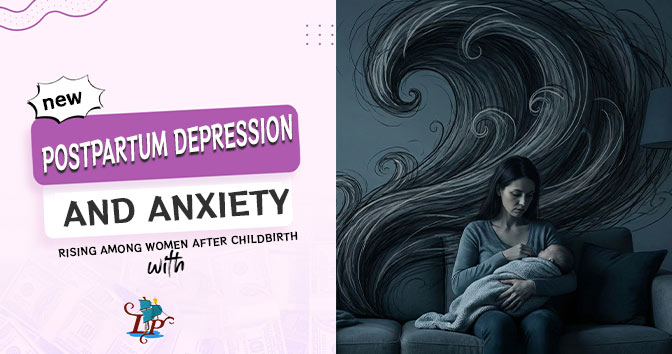
Childbirth is commonly perceived as a joyful milestone. In reality, however, this period can be mentally overwhelming for many women. Sudden physical changes, lack of sleep, increased responsibilities, and intense social expectations often combine to push new mothers toward deep emotional distress and anxiety. This condition is clinically known as postpartum depression.
Shrabana Gupta, a resident of South Kolkata, shared that just days after giving birth to her daughter, she no longer felt emotionally stable. She had little motivation to get out of bed, cried without reason, lost her appetite, and became easily irritable. At the time, she could not understand why these changes were happening to her.
After enduring these symptoms for a prolonged period, she consulted a physician and was diagnosed with postpartum depression.
Another woman from Kolkata, who preferred to remain anonymous, said she began losing her temper easily just weeks after the birth of her second child. The baby’s crying made her extremely anxious and angry. At times, she would press a pillow against her ears, unable to cope. Initially, family members failed to recognize the severity of her condition. They assumed she was avoiding responsibility or seeking attention. No one understood the emotional turmoil she was experiencing.
She had faced similar difficulties after the birth of her first child but did not seek medical help then. When the symptoms worsened after her second delivery, she consulted a doctor and was again diagnosed with postpartum depression.
Not a New Issue, Yet Still Neglected
Experts emphasize that postpartum depression is not a new phenomenon. Women across the world experience it. According to the World Health Organization, nearly 10 percent of women experience depression during pregnancy, while around 13 percent suffer from depression after childbirth. The prevalence is even higher in developing countries.
Doctors warn that without timely treatment, postpartum depression can become life-threatening. It increases the risk of maternal suicide and can severely affect a child’s physical and emotional development.
In India, the condition is common among new mothers, yet it often goes undiagnosed.
What Is Postpartum Depression
Gynecologist and obstetrician Dr. Krishna Ghosh explains that from pregnancy through childbirth, women undergo major physical and psychological changes. Depression that develops within the first six weeks after delivery is clinically defined as postpartum depression.
She notes that a major challenge in India is that many women do not seek medical attention, allowing the condition to worsen silently.
Neuropsychiatrist Dr. Rajarshi Niyogi explains that postpartum mental health conditions are broadly classified into three categories.
The first is postpartum blues, which includes mood swings, crying spells, sleep disturbances, and irritability. In most cases, emotional support, counseling, and small lifestyle changes are sufficient for recovery.
The second is postpartum depression, characterized by persistent sadness, low self-esteem, feelings of inadequacy, and fear of being unable to care for the child properly.
The third and most severe condition is postpartum psychosis, usually appearing within the first week after delivery. In such cases, mothers may lose touch with reality, experience delusions, and develop thoughts of harming themselves or their infants.
When Do Symptoms Appear

Symptoms may begin within days of childbirth or gradually emerge after returning home from the hospital. Without treatment, postpartum depression can persist for eight months to a year or even longer.
Why Does It Occur
According to Dr. Niyogi, abrupt hormonal changes, complicated pregnancies, cesarean deliveries, and a history of mental illness significantly increase the risk.
Social factors also play a major role. Dr. Krishna Ghosh highlights that in many families, especially after the birth of a daughter, mothers face neglect or emotional pressure. In some cases, relatives do not even visit the mother, further weakening her mental state.
Parenting consultant Payel Ghosh adds that marital conflicts, lack of family support, managing childcare alone, inadequate sleep, and poor nutrition contribute heavily to postpartum depression.
Unplanned or unwanted pregnancies can also increase vulnerability.
How Dangerous Can It Be
Without treatment, the condition can escalate severely. Several tragic incidents have demonstrated the devastating consequences of untreated postpartum depression. Experts warn that in postpartum psychosis, mothers may feel incapable of caring for their child, leading to dangerous and irreversible decisions.
Shame and Fear Remain Major Barriers

Although many public figures in India and abroad have openly discussed postpartum depression, social stigma persists. Many mothers hesitate to speak up.
Payel Ghosh explains that the widespread belief that motherhood must always be joyful prevents women from acknowledging emotional distress, delaying medical intervention.
How It Can Be Managed
Experts agree that early identification is crucial. New mothers require regular meals, adequate rest, and emotional reassurance. Family support plays a vital role in recovery.
Dr. Niyogi emphasizes that having someone assist the mother while she cares for the baby significantly reduces psychological pressure. Regular follow-ups with healthcare providers are essential.
In India, the government has launched a mental health helpline called Tele-MANAS, offering free counseling services. This initiative can be a critical support system for new mothers.
Dr. Krishna Ghosh stresses the need for awareness not only in urban areas but also in rural communities.
She concludes that just as a newborn needs care, a new mother equally deserves compassion, understanding, and support. Ensuring this can save countless lives.