When you are a writer, you’ve likely experienced writer’s block at some point in your career or personal experience, no matter how experienced or new you are. It’s frustrating when you stare at a blank page, waiting for inspiration to strike, but nothing comes. This is where Creative Writing Prompts come in handy. They’re a great way to kickstart your creativity, spark new ideas, and help you get back into the writing flow. Creative Writing Prompts can provide just the right nudge to ignite your imagination and push past any creative blocks.

What Are Creative Writing Prompts?
Creative writing prompts are short ideas or challenges meant to inspire you to write. They are like little starting points or suggestions that guide you to think about different topics, characters, or situations, encouraging you to create stories, poems, or other types of writing. Prompts can be as simple as a sentence, a question, or even a picture, and they help overcome writer’s block by giving you something to write about when you’re stuck or looking for inspiration.
For example:
1: Write a story about a classic fairy tale and rewrite it with a modern twist. Maybe Cinderella is a tech genius, or Snow White is a detective.
2: Describe a day in the life of an alien visiting Earth for the first time.
3: What would you do if you could become invisible for a day?
More and more you can get ideas online or through your thinking. These prompts are meant to encourage you in a certain direction, but where you take the story is completely up to you!
Why Use Creative Writing Prompts?

Overcome Writer’s Block: Prompts help to clear your mind and give you a starting point. Sometimes all you need is a little push to get words flowing.
Extend Your Imagination: Creative prompts often take you out of your comfort zone. They encourage you to think differently and challenge your imagination in ways you may not have thought of.
Practice Writing: Like any other skill, writing improves with practice. Prompts are great for quick, daily writing exercises, helping you hone your craft.
Explore New category: You might be used to writing romance, but a prompt about a mystery or sci-fi situation could introduce you to a new style of writing.
How do you start a creative writing prompt?
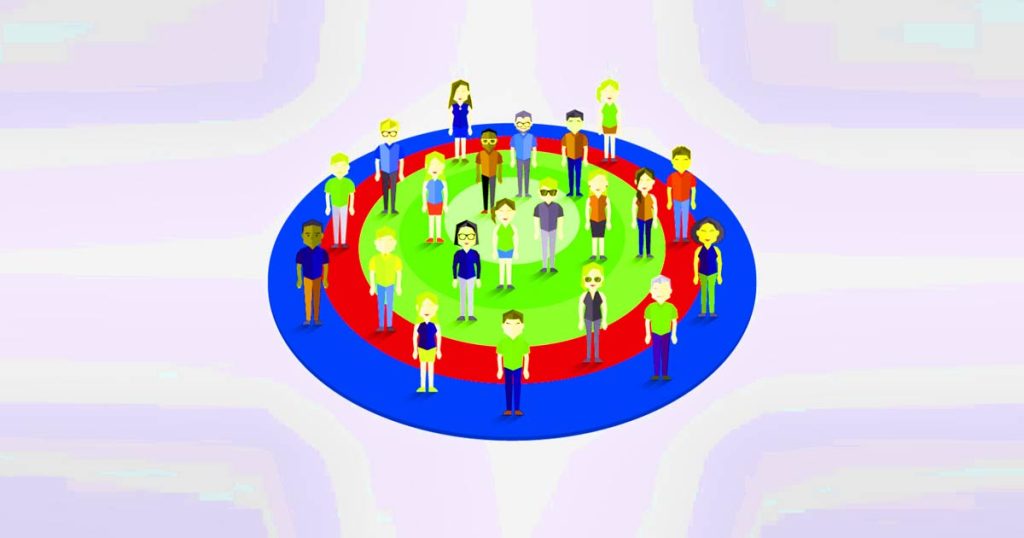
Here’s how you start a creative writing prompt simply:
1. Know Your Goal
Think about why you are making the prompt. Do you want to inspire creativity, encourage deep thinking, or guide people to write about something specific? Knowing your goal helps you make a better creative writing prompt.
2. Pick a Type of Prompt
Decide what kind of prompt you want. It could be a word, a phrase, a question, a picture, a scenario, a quote, or even a random idea.
3. Think About Your Audience
Consider who will be using the prompt. Is it for yourself, a certain group of writers, or anyone who enjoys writing? Make sure it fits the interests and needs of your audience.
4. Keep It Simple and Clear
Make sure your creative writing prompt is easy to understand. Don’t make it too complicated or confusing. A good prompt gives clear direction but still allows room for creativity.
5. Make It Interesting
The best prompts make people think in new ways or explore different perspectives. A prompt that makes writers think deeply can lead to more exciting and creative writing.
6. Add Specific Details
Include a few details to help set the scene or explain the idea. For example, if you’re using a picture, describe what’s happening in it. If it’s a scenario, give enough background to understand the situation.
7. Stay Neutral
Make sure your creative writing prompt doesn’t push your own beliefs or opinions on others. Keep it open-ended so writers feel free to explore different ideas.
8. Try It Out
Before sharing the prompt, test it by writing a response yourself. This will help you see if anything needs to be clearer or changed.
This simplified guide will help you create fun and engaging writing prompts
Conclusion
Creative writing prompts are a fantastic way to spark your imagination and break free from writer’s block. Whether you use them as a quick warm-up, a fun exercise, or the start of your next novel, they can be an invaluable tool for every writer. The most important thing is to have fun and keep writing!